Turns out, I was fired up. Turns out, everyone was ready to go.
I’m practically speechless in trying to describe how successful our event was – so I’ll let photos help me do the talking (and cheering). The exceptional photos in this post, taken by Renee, are only a sampling of what you can find on facebook.
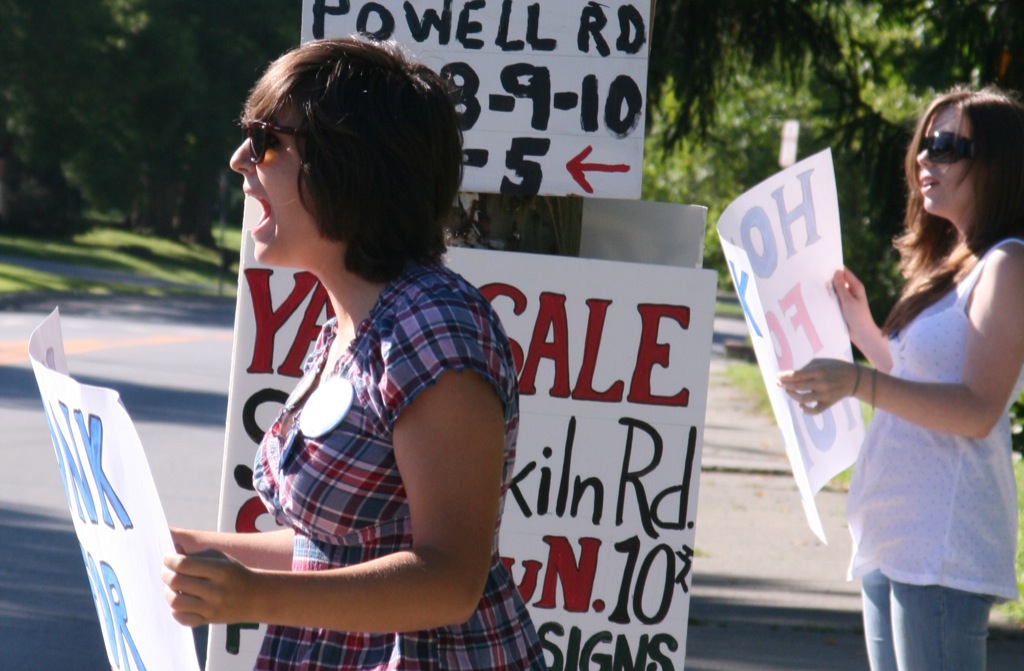

On Saturday, everything that could have gone right, went right. Everything that could have gone wrong – didn’t.
Coming on this journey, I’ve learned so much. From the rally’s conception a few weeks before graduation, to Saturday’s execution of the idea, I have so much to share. Here, I write my impressions from the day itself. I’ll have more to share in the days ahead.
I begin by saying with clearly added emphasis that I’ve never been more proud of myself and my friends. Yes, this notion deserves its own paragraph. Without the support of these special people, Register for Change would be an idea without action. The list of people to thank is far too large for this blog post, and I’ll be trying my personal best to recognize each and every contributer over the next few days in a private context.
Grassroots, Really
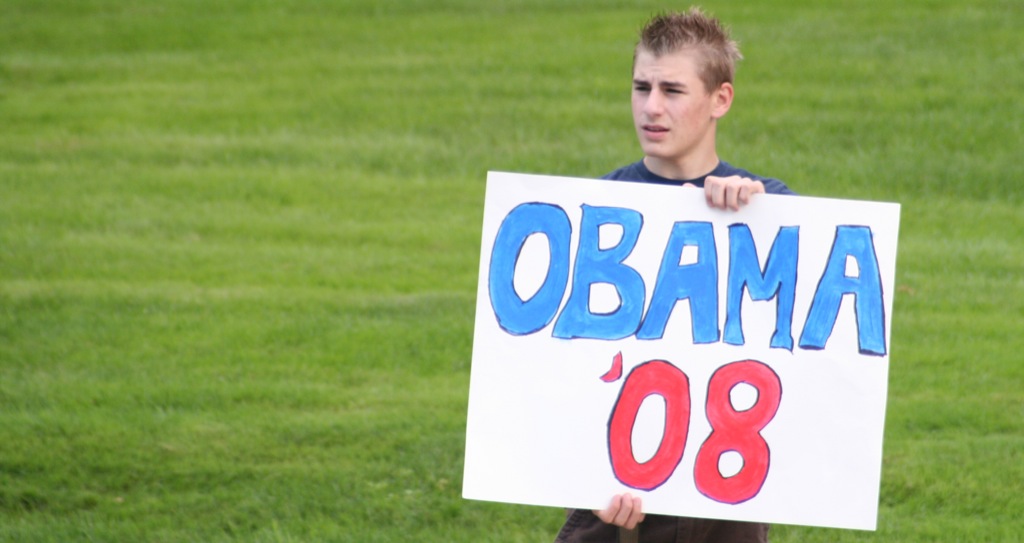
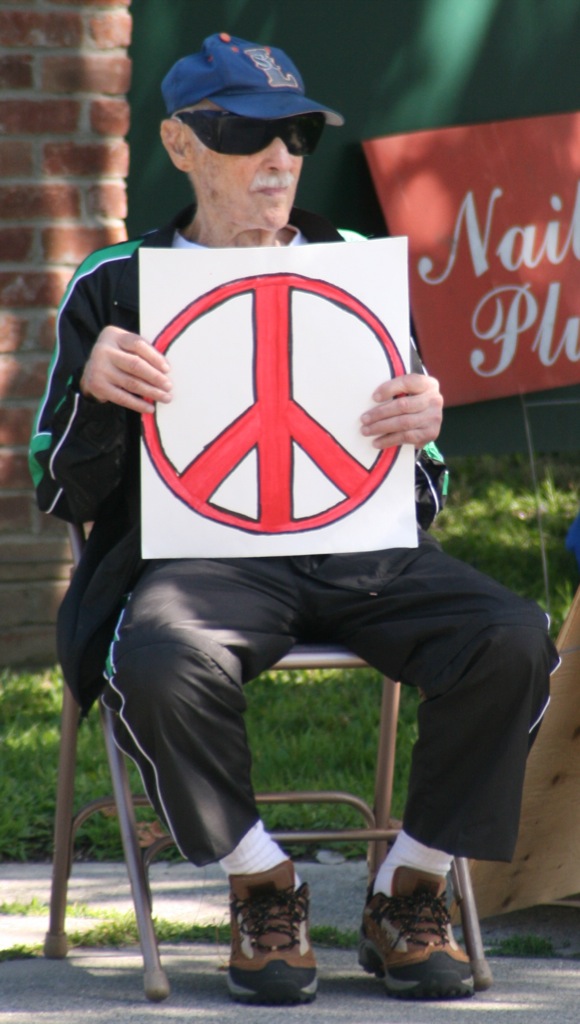
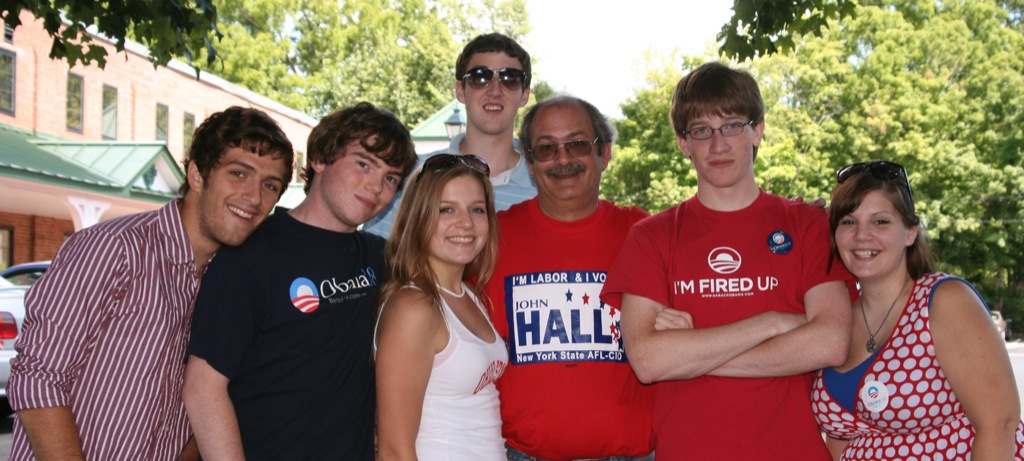
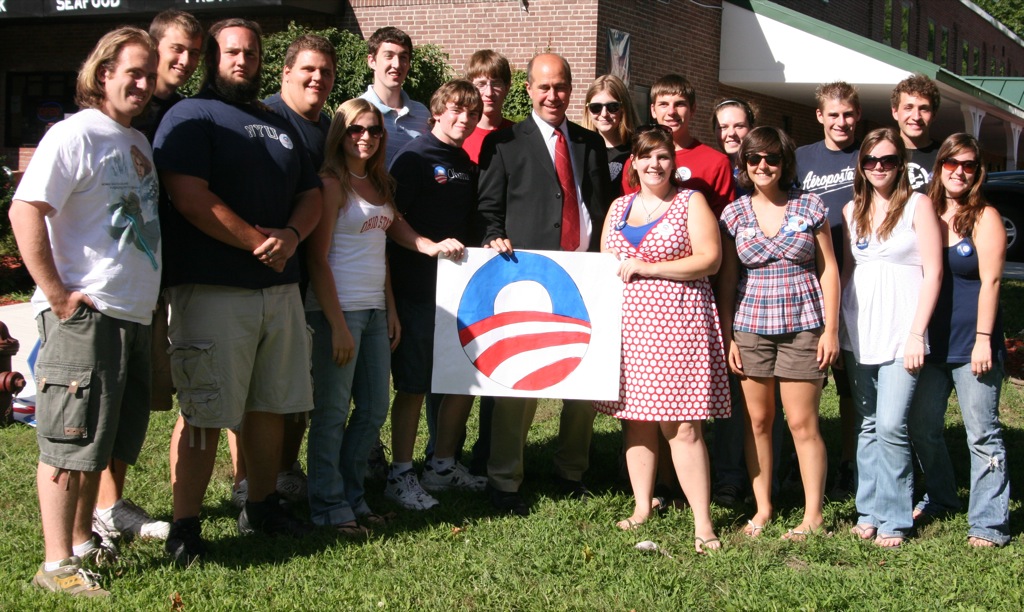
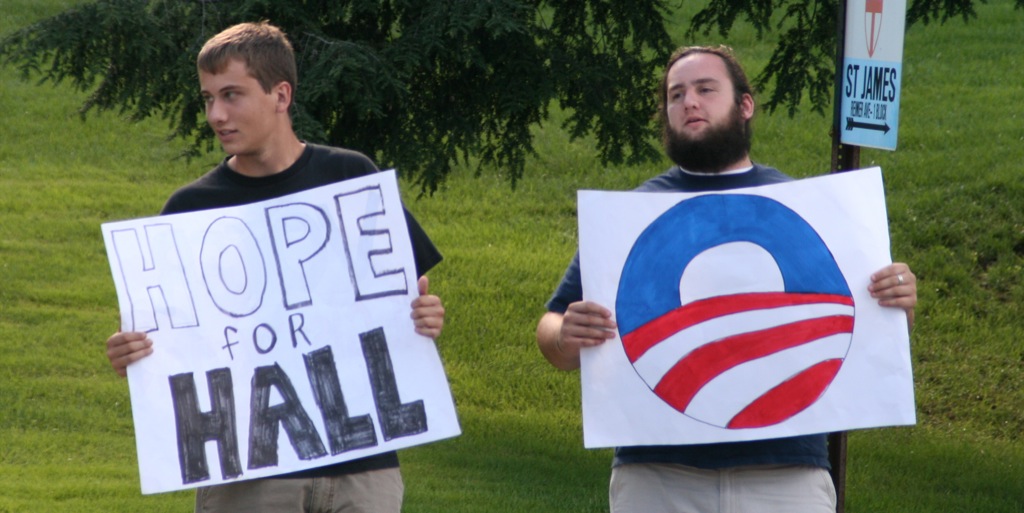
On Saturday, I witnessed grassroots politics in action for the first time in my life. Guided by common beliefs, more than thirty students came out to support Barack Obama’s bid for the Presidency. Ranging from ages sixteen to twenty, these men and women dominated the days events, but they weren’t alone. For instance, a girl around three years of age asked to borrow a rally sign I was holding so she could stand alongside the students. One Dover resident shared her experiences campaigning for women’s rights during her political heyday, a compelling story. An older gentleman, born before the ratification of the Nineteenth Amendment to the United States Constitution, sat beside us, ecstatic to campaign for change.
 Watching the organic excitement spread from person to person, the genuine camaraderie form between people of all ages and backgrounds, continues to inspire me. The effect of this inspiration on me was visible – rather, audible – at Register for Change. I cannot count how many times I shouted, “I’m fired up!” to which the everyone enthusiastically replied, “I’m ready to go!” Although I began the day physically exhausted, a natural energy powered me through the whole event as head-cheerleader.
This will sound obvious to a certain audience of this post, but “grassroots” isn’t just a term that news reporters and bloggers throw around. It is the energy and vitality that I just described leading to positive outcomes. To see this vigor focused in the center of my traditionally conservative town is the change that I had hoped for.
Goals & Outcomes
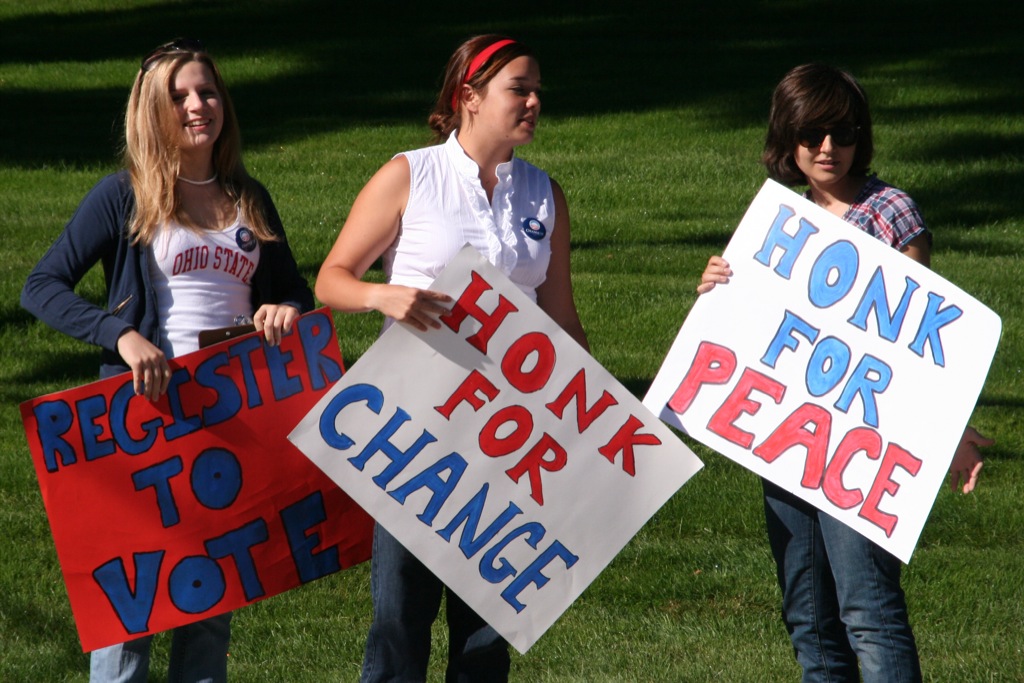
I had three goals with Saturday’s event. The first was to register people to vote, which certainly happened. I have twenty voter registrations cards to bring to the Board of Elections, and other residents took cards home to mail in themselves. Although that number may sound small, it isn’t. If even just half of those people vote regularly, I’ve accomplished my first goal.
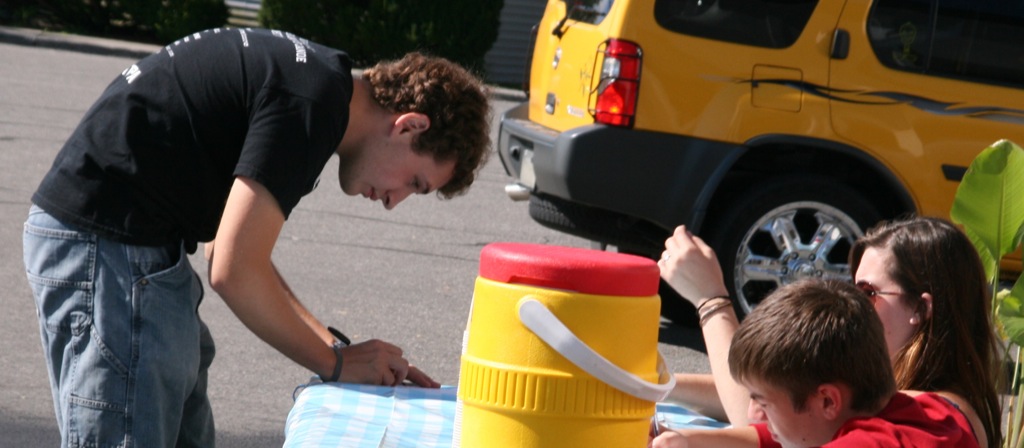
My second goal was to promote Senator Barack Obama, which we couldn’t have done better. The literature that fellow coordinator Matt created and distributed was targeted and well-received. Although we were met with resistance at some points of the day from people with hateful comments or gestures, I’d say that 90% of feedback was positive. Like the students running the event, it seems that people driving by were fired up; passengers from seven different states showed their enthusiasm.
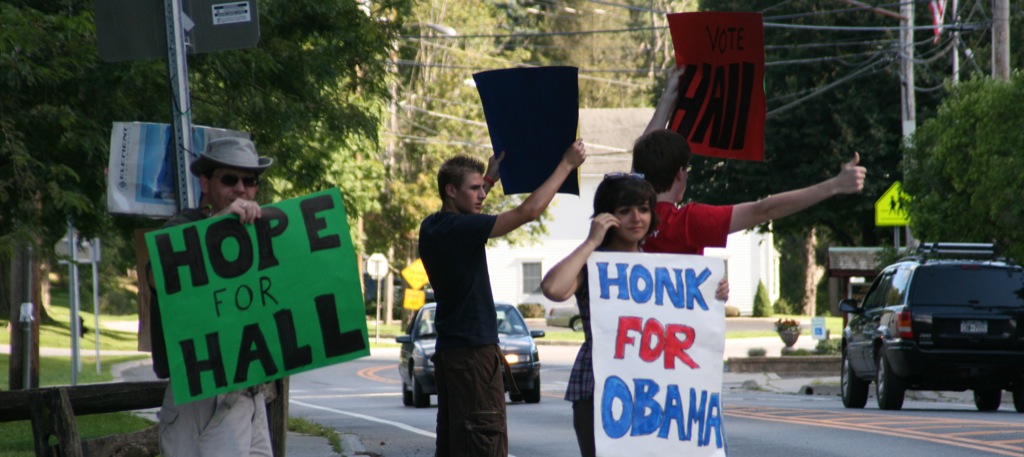
In my original announcement of the event, I wrote that I wanted to,
…show Dover Plains and its surrounding communities that the young people of Dover can do something positive. I want to send a clear message that Dover’s young people aren’t all about gangs, drugs, or fighting.
Although I can’t measure our success in this effort, I couldn’t imagine an event that could send a clearer message. Hopefully, together, we put a dent into the negative image emanating from Dover recently.
Surpassing Expectations
In my original goal-setting, I forgot a very simple aim: to have fun. Luckily, I can’t name a single person who didn’t really enjoy themselves on Saturday. I’ve been bombarded by comments from students who genuinely couldn’t think of a better way to spend their entire Saturday, which is heartwarming.
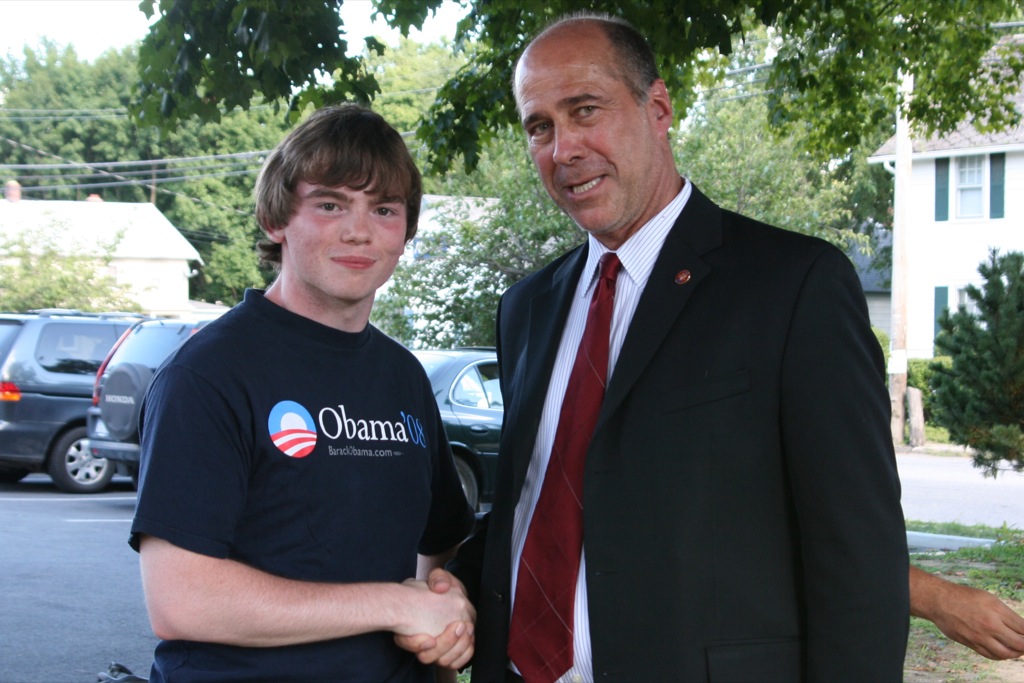
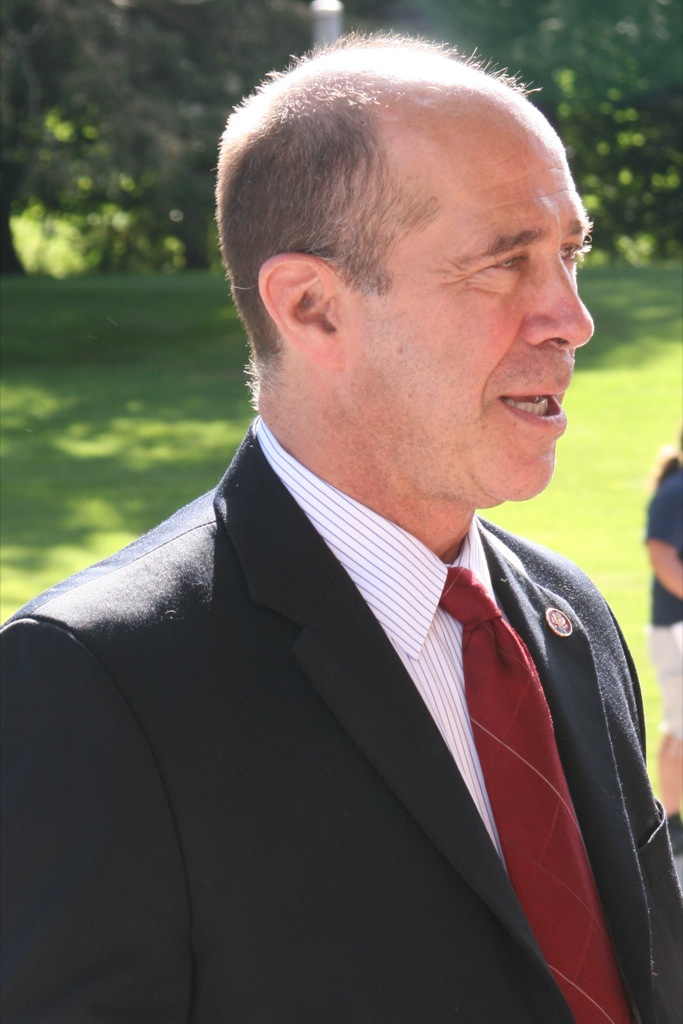 A certain treat of our afternoon was a visit from our district’s Congressman, John Hall (D, 19th district). The fact he had the time to make an appearance at Register for Change was amazing; although he actually lives in Dover, finding time between passing legislation and running a Congressional campaign is difficult.
Surpassing expectations, a theme of the day, Mr. Hall had a conversation with us about issues he’s tackling in Congress, spanning from veterans benefits and the climate crisis to equal pay for women in the workforce. We were delighted to meet and speak with the Congressman.
Moving Forward
I relied on a lot of people and experiences to help me pull this off. Everything that I’ve worked on over the last several years came together in one day’s events. Whether it was the ability to be a cheerleader that I picked up at HOBY several years ago, or the organizational skills I acquired by managing my high school Student Council’s records, it seems like my four years at Dover High School prepared me to start and execute something very constructive.
After witnessing this experience, I have many fewer worries as to the future of Dover High School, something I’ve written about extensively. On Saturday, I saw many of the students I’m leaving behind accomplish amazing things. I’m excited to see what they’ll do for Dover in the months to come.


Final Thoughts
A question that’s had me preoccupied for some time is, what do I do now? I’ve been using my job and Register for Change to procrastinate leaving for Tufts University. I no longer have any excuses; only a scant fifteen days separate me from a new life in Boston. In that time, I have so much to do – items to purchase and pack, affairs to settle, and people to value.
In the last several weeks, months, and years, I’ve established the friendships and connections that made Register for Change possible. Now, I “pause” these relationships, excited to resume them later. This prospect, now at the center of my thoughts, is both frightening and exciting. As I travel eastward, Register for Change is an experience that I’ll carry with me, one which I’ll always be able to bring to the table in all my future endeavors.
Again, I couldn’t be happier. The notion that students in a traditionally conservative town mobilized to promote something they’re passionate about, register people to vote, and change the image of their town to the world is change we can believe in.